UN80 and the Future of the United Nations
Authored by Elli Klimathianakis | Dataset and editing by Victoria Rebok
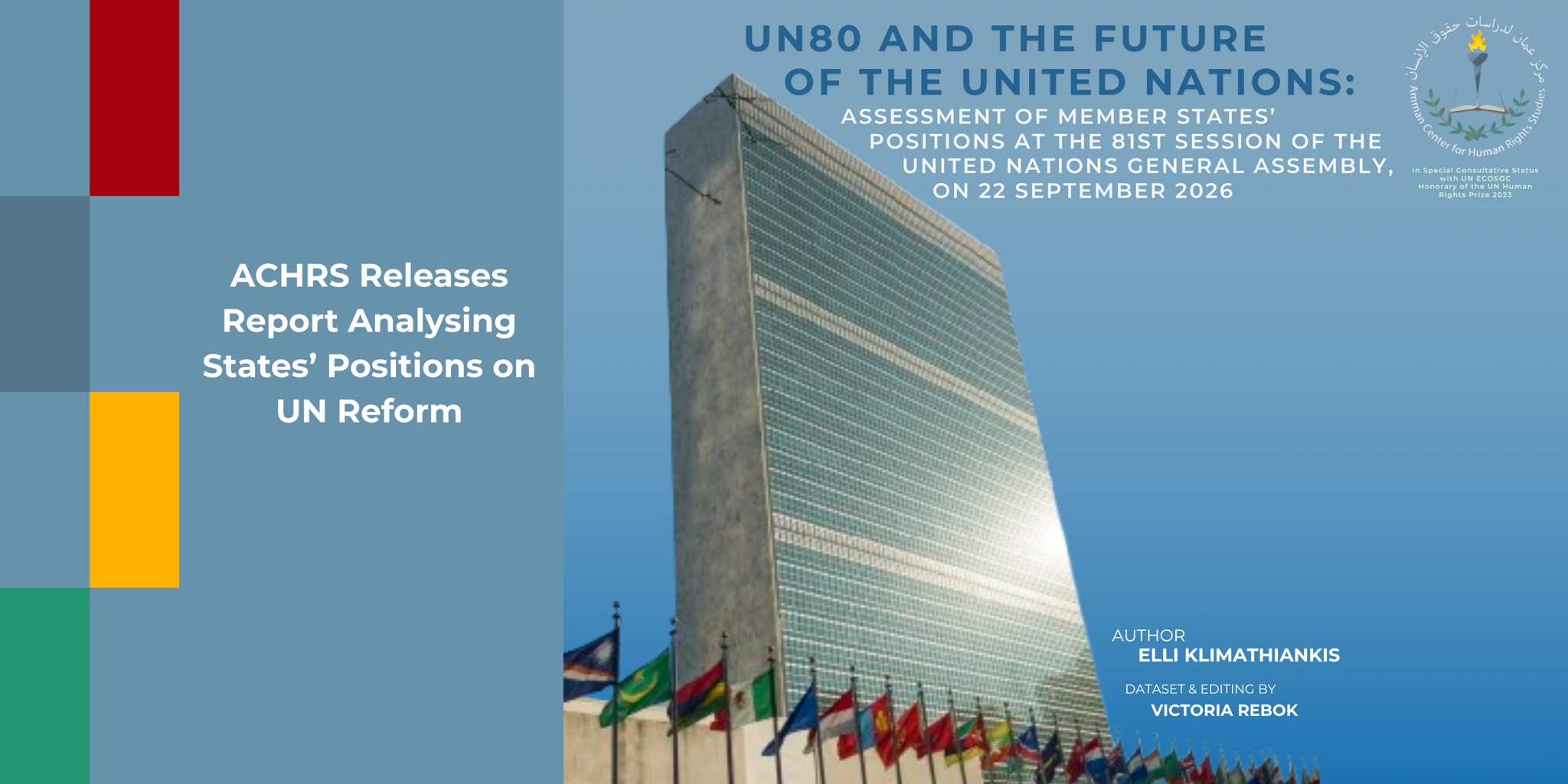
ASSESSMENT OF MEMBER STATES’ POSITIONS AT THE 81ST SESSION OF THE UNITED NATIONS GENERAL ASSEMBLY, ON 22 SEPTEMBER 2026.
Read the full report here
Our report examines Member States’ perspectives on United Nations reform and the implications for the UN80 Initiative. Drawing on selected statements from the General Debate of the 81st session of the UN General Assembly, we explore how institutional effectiveness, representation, accountability and financing shape expectations for the organisation’s future.
Our analysis identifies shared support for a more effective UN, alongside significant differences over how reform should proceed. Some Member States prioritise organisational performance and financial sustainability, while others emphasise inequalities in decision-making, particularly Africa’s underrepresentation on the Security Council. Statements also highlight the importance of adequate development financing and stronger implementation of existing international commitments.
A central finding is that administrative improvements alone cannot resolve questions of representation and political authority. Security Council reform requires sustained negotiations among Member States, while changes to internal processes must demonstrate how they strengthen the UN’s ability to fulfil its mandates. Efficiency measures should preserve the capacity to deliver, with proposed savings assessed against implementation costs and operational consequences.
To support a meaningful progress, we recommend:
- Setting clear objectives and measurable indicators, such as through transparent reporting on results.
- Distinguishing administrative changes from governance reforms which require intergovernmental agreement.
- Linking efficiency measures to mandate delivery, with evidence of improved resource use.
- Strengthening accountability through clearly assigned responsibilities, timelines and resources.
- Connecting UN80 with existing commitments, including the Pact for the Future and the 2030 Agenda.
Our report argues that UN80’s success should be assessed through demonstrable improvements in institutional performance. Achieving a more effective, accountable and representative United Nations will require both practical organisational changes and political agreement on priorities, responsibilities and decision-making.
Read the full report here for our analysis of Member States’ positions and recommendations for reform.