Symposium about international standards for free and fair elections at the University of Jordan
Tala Jaish, Nora Züst
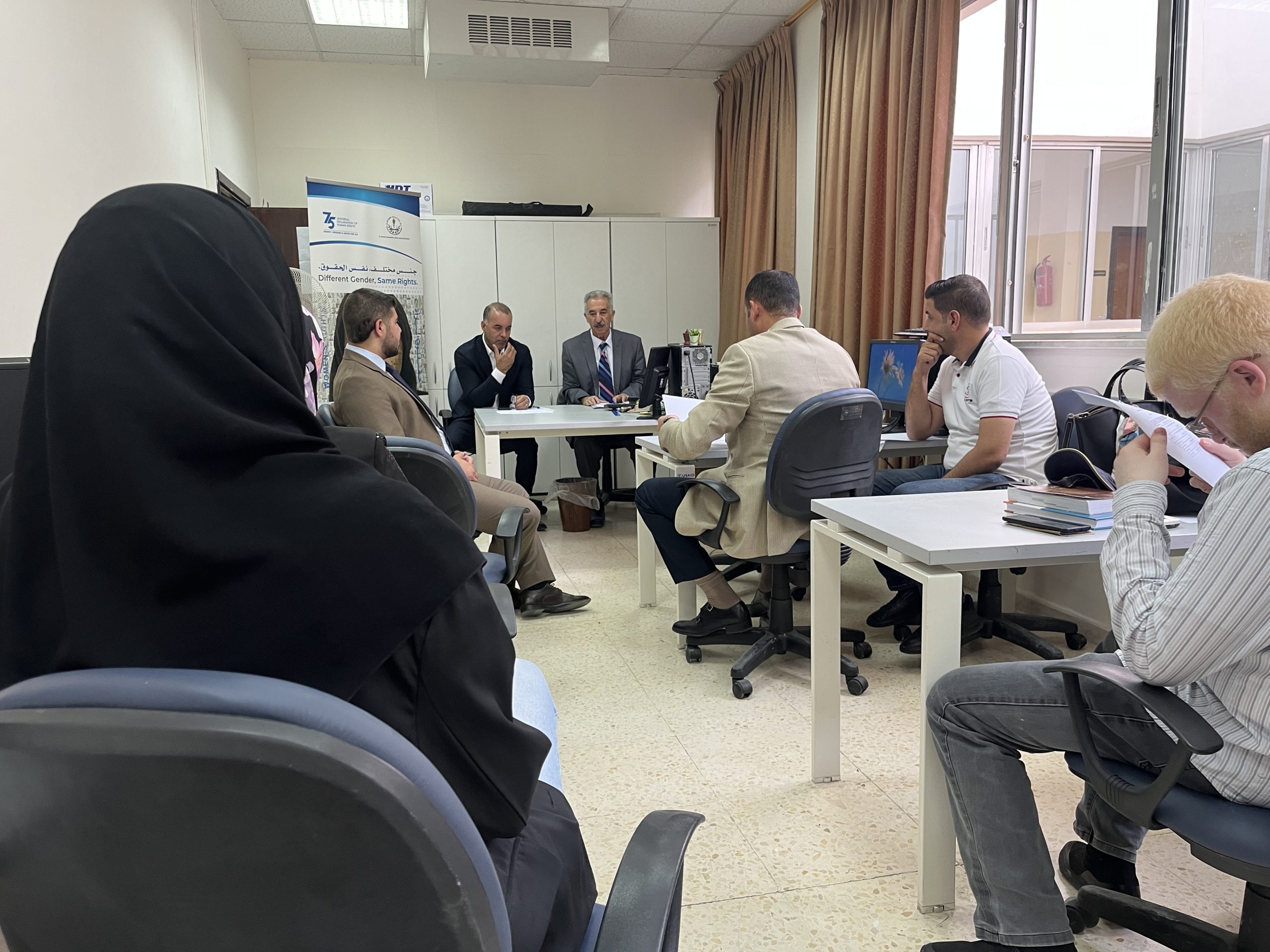
On Tuesday, August 22, law students of the University of Jordan were able to further educate themselves on the topic of international standards for free and fair elections. The Amman Center for Human Rights Studies (ACHRS) held a symposium on this topic in cooperation with the Independent Electoral Commission and the Legal Clinic at the Faculty of Law.
The symposium opened with a welcome speech from the student Obadah Al-Wardat who expressed his thanks to the attendees and the organizers for providing an opportunity for university students to participate in discussing national issues.
In the first part of the lecture the director of the ACHRS, Dr. Nizam Assaf, pointed out the most important international standard for free and fair elections. Through these standards, the will of the voters is reflected in the election result. This means the free elections are guaranteed by legislation and reinforced by policies and practices. Part of the standards are rights like the freedom of opinion, expression, and media, freedom of association, parties, and trade unions and freedom of peaceful assembly. Additionally, the independency of the judiciary is an important standard. The criteria also include universal, equal and non-discriminatory voting, legal and technical guarantees, ballot secrecy, equal qualitative weight of votes and transparent electoral processes.
In the second part, Naser Habashneh, Director of Electoral Operations of the Independent Election Commission, focused on the achievements of the Commission. Furthermore, he pointed out the indicators of independence. Those indicators are used for legislation and executive instruction to manage the electoral process and its budgets. The Independent Election Commission ensures integrity by preventing the repetition of voting through the electronic connection of all electoral centers. This electronic connection includes 1’500 to 1’800 polling centers, which include between 5’000 and 8’000 polling and sorting rooms. Habashneh pointed out that the counting of the votes takes place inside the polling rooms. For voting, electoral ink is used that cannot be smeared out. Addionally, there are more than 20 secret marks for the ballot papers. All employees undergo training, in addition to the media campaigns. Citizens need to be educated and encouraged to participate in the elections.
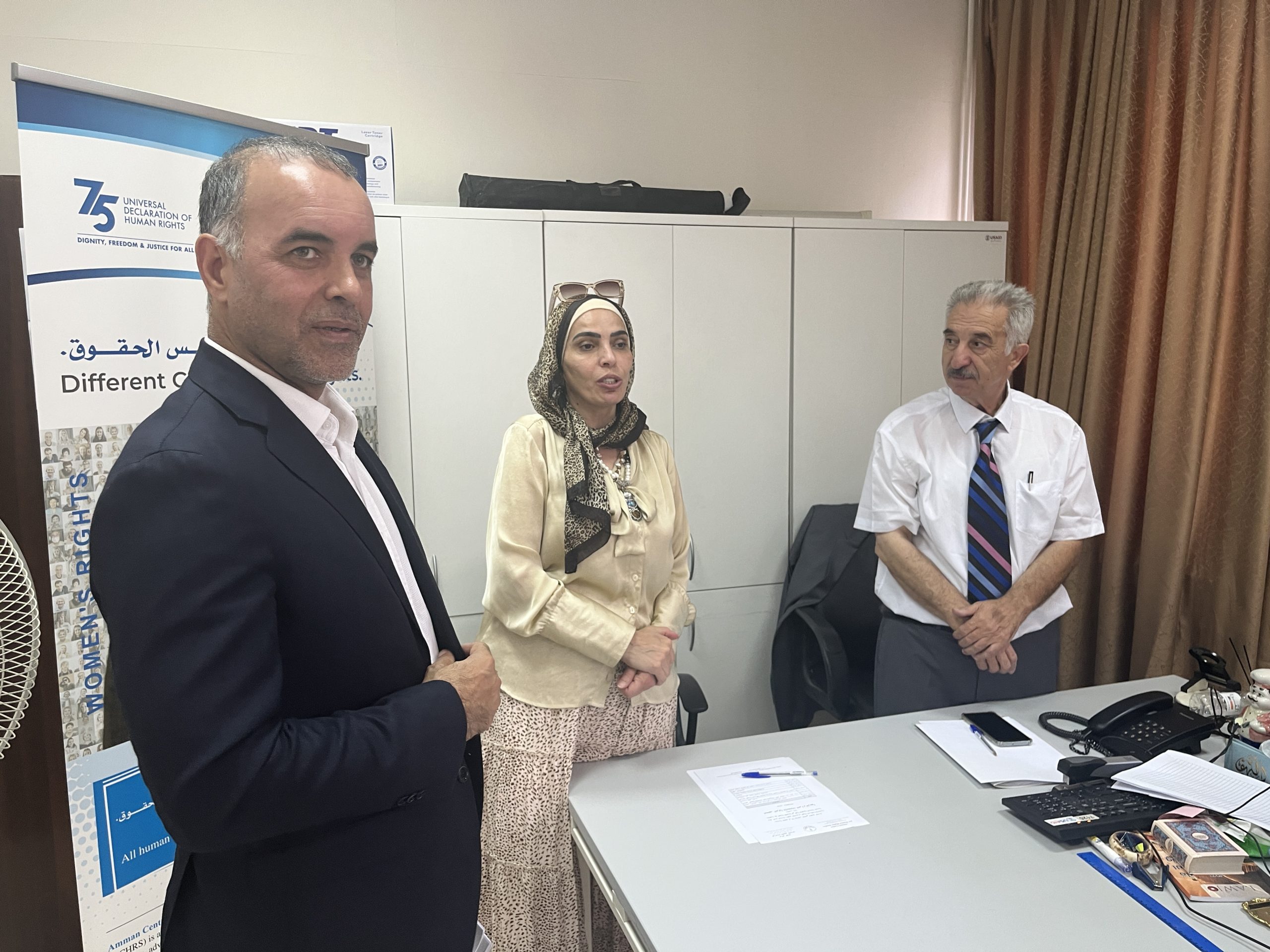
Furthermore, Habashneh explained the most important amendments to the election law, specifically the need of the permanent residence of the citizen in order to determine its electoral district. The new law allocated 18 local electoral districts for which 97 seats and electoral districts were allocated. In general, 41 seats have been allocated for party lists, as well as the mechanism for forming local lists and closed party lists, and the method of calculating the results according to the highest remainder.
The two interventions by Dr. Nizam Assaf and Naser Habashneh were followed by interaction, questions, and comments from the audience, which addressed the challenges of of the Independent Electoral Commission, the transparency and integrity of the elections, and ways to empower women through competition and through the quota.
The symposium was concluded by Dr. Linah Shabib, responsible for the legal clinic and faculty member at the Faculty of Law, in which she stressed the importance of the participation of women in political life, especially with the participation of female students in student council elections in colleges and universities. She also asked the organizers to hold a second symposium next October. Through the symposium, the Independent Electoral Commission wants to raise awareness about its role and deepen the constructive dialogue with all segments of society on political reform and encouraging popular participation in the elections.
The symposium is part of a series of human rights awareness activities implemented by the Amman Center for Human Rights Studies in cooperation with various Jordanian national institutions on the occasion of the 75th anniversary of the Universal Declaration of Human Rights and the Amman Center receiving the UN Human Rights Prize 2023. The first activity of this series was organized on July 24 with the Ministry of Labor on the rights of people with hearing disabilities, and the celebration activities will continue until the end of this year.