Statement: International Day of Reflection on the 1994 Genocide Against the Tutsi in Rwanda
Written by Tshepo Tlhacoane
Click here to download as PDF.
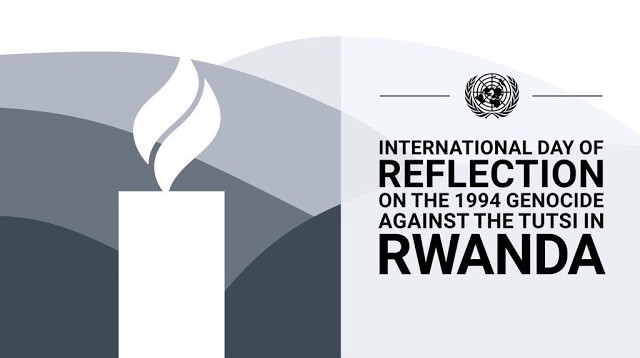
The Amman Center for Human Rights Studies (ACHRS) joins the international community in commemorating the International Day of Reflection on the 1994 Genocide Against the Tutsi in Rwanda, a 100-day period where over one million, predominantly Tutsi, people were killed in what has been described as the fastest genocide in history. We join all voices in honouring the victims and survivors of this genocide, and the strength that they have exhibited in rebuilding their lives and country, despite enduring unimaginable pain and suffering.
We, at ACHRS, would also like to use this day to ask a pertinent question: how did the international community go from declaring ‘never again’ to allowing two prima facie genocides in the Arab Region in Palestine and Sudan? Genocide, which has been called the ‘crime of all crimes,’ represents the most egregious crime in international law, and states recognized that international co-operation is required to prevent genocide and punish individuals responsible for it. Despite the legal obligations imposed on states in the Genocide Convention, states continue to allow the commission of genocidal acts, along with failing to prosecute those responsible. This represents a monumental failure of the international legal system, as it fails to act as a deterrent to those with genocidal intent.
Political polarization also contributes to the commission of genocide, as people base their legal and moral conclusions on certain issues based on who the perpetrators and victims are on a particular matter. This is selective morality, and selective morality represents the erosion of our humanity.
In his remarks on this day, United Nations Secretary General Antonio Guterres noted, with shame, the international community’s failure to take life-saving action to help the Tutsi people. This is the same situation the international community finds itself in 32-years later. ACHRS submits that it is not enough to simply remember the day and the event, the way that you truly honour victims and survivours is to ensure that genocide does not take place anywhere, ever again.
Click here to see how this day was commemorated around the world