Roundtable Discussion on the Civil Documentation of Sudanese Refugees
Written by Tshepo Tlhacoane
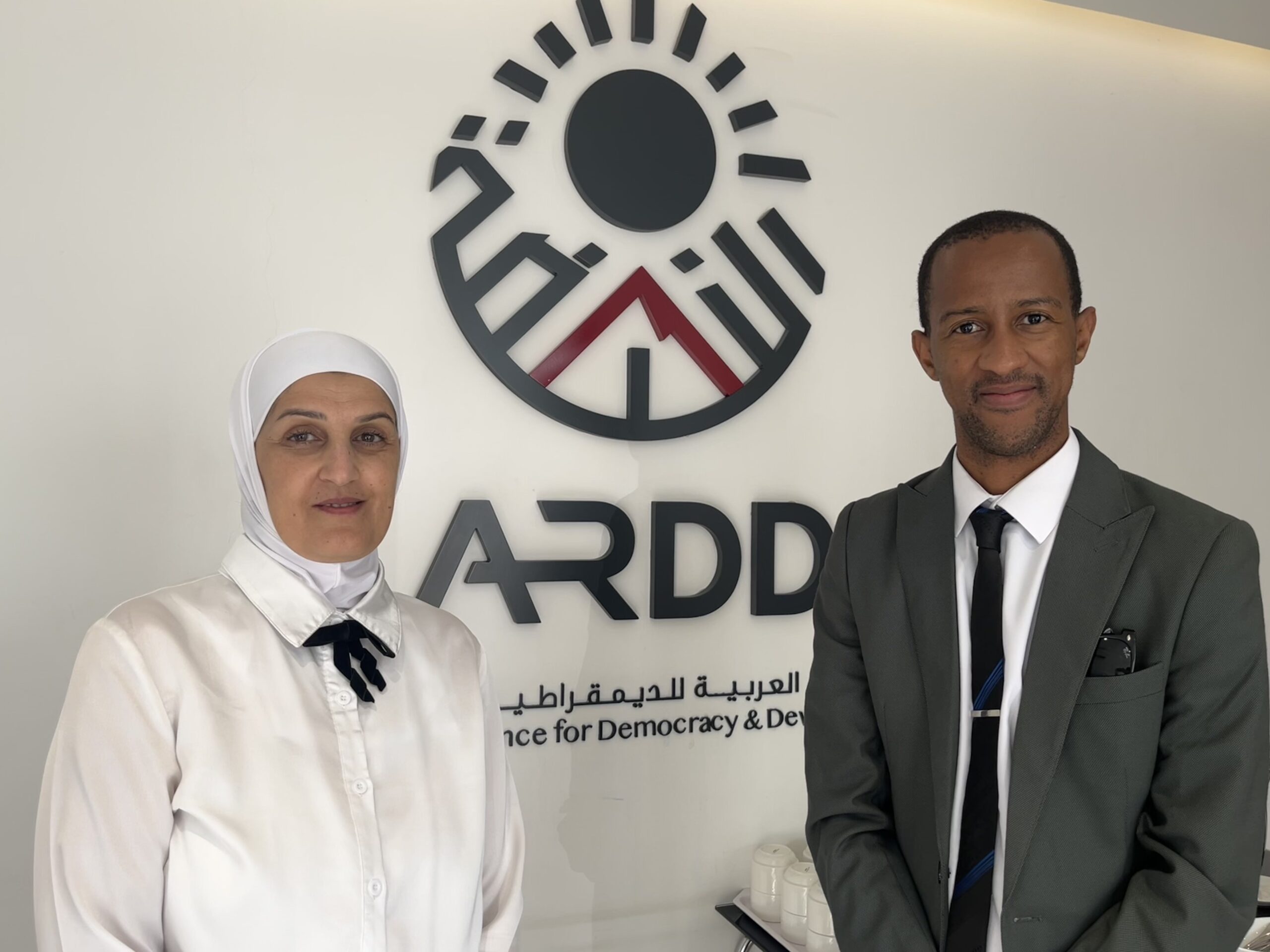
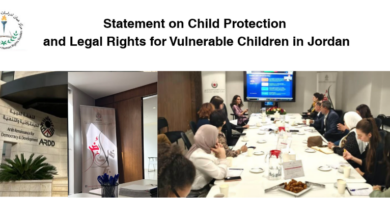
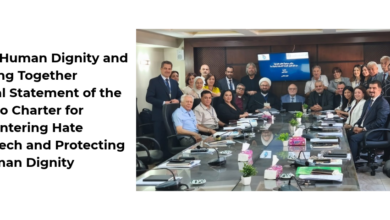
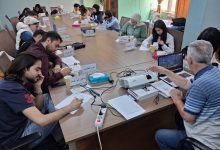
The Renaissance Strategic Center at the Arab Renaissance for Democracy and Development, to mark World Refugee Day, hosted a roundtable discussion and presented the findings of their most recent policy paper, Civil Documentation and Legal Identity as a Lifeline for Refugees in Jordan: Lessons from a Sudanese Documentation Case.
The policy paper discussed how differences between birth registration systems in Jordan and Sudan adversely impacted Sudanese refugee children born in Jordan. This is because Jordan’s civil registration follows a four name structure which ends with the family surname, while Sudanese naming practices rely on ancestral names and do not consistently use fixed family surnames. This difference in these systems means that the birth certificates of Sudanese children born in Jordan may not correspond with Sudanese civil records.
Although these differences may appear minor, they can have a negative impact on that child’s life, both in Jordan and in Sudan. These discrepancies can impact nationality confirmation, kinship verification, inheritance rights, and the access to future civil documentation. Additionally, they could also hinder reintegration, access to services, and the ability to establish their legal identities when returning to Sudan.
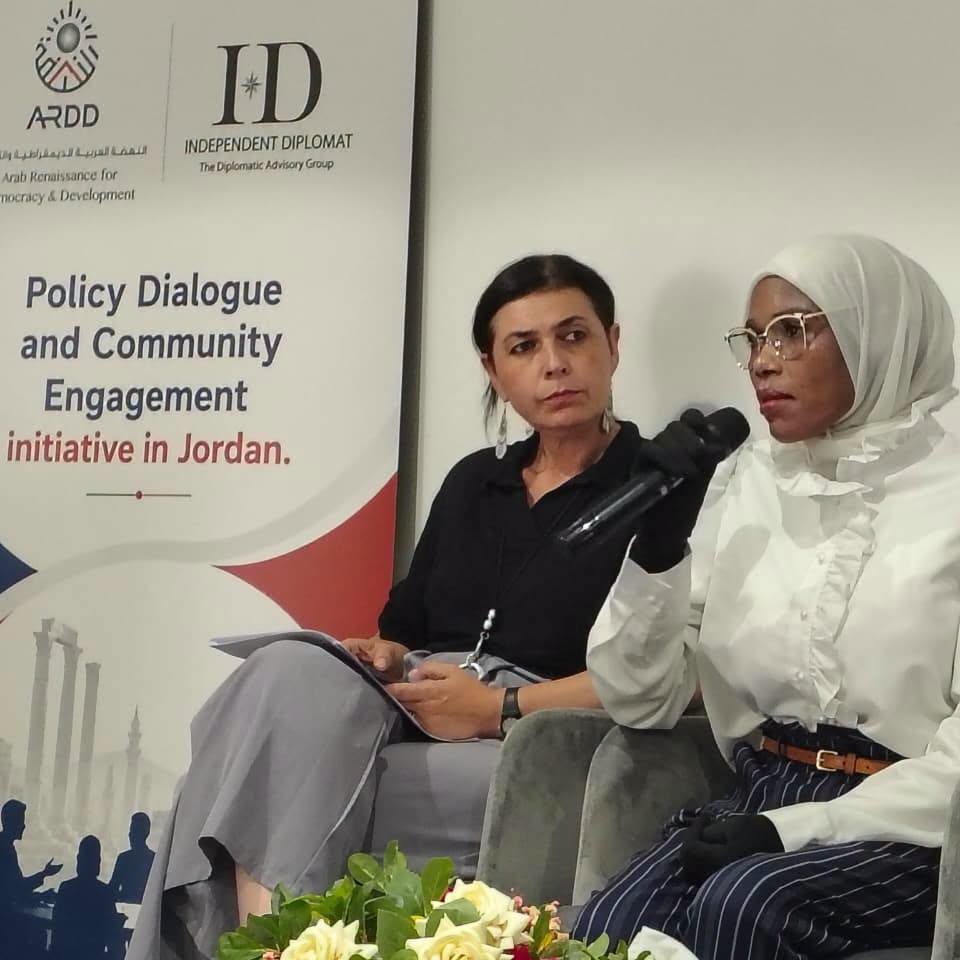
In attendence was Samia (pictured, right), a Sudanese refugee, who was invited to speak in order to demonstrate the real-world consequences of these discrepancies. Samia has been a refugee in Jordan for over 15 years after fleeing Sudan due to armed conflict in her country. She gave birth to a child in Jordan who subsequently received a birth certificate using the Jordanian system. The difference in this child’s birth certificate not only created a split between Samia, the child, and her children born in Sudan, it would have downstream consequences such as difficulty in registering the child for school. ARDD assisted Samia in rectifying this discrepancy, and together, they have worked to rectify this discrepancy for other Sudanese refugee children born in Jordan. To date, over 100 birth certificates have been rectified.
The Amman Center for Human Rights Studies, which was represented at this event by Basema Abu Shammaleh and Tshepo Tlhacoane, applauds ARDD for the legal aid it provides to Sudanese refugees and for adopting the ‘One Refugee’ approach, which seeks to ensure that refugees have equitable access to protection, assistance, and services, regardless of their nationality. The right to an identity is a foundational human right which can be found in article 24 of the International Covenant on Civil and Political Rights, and in article 7 of the Convention on the Rights of the Child, and the protection of this right is to be applied to both nationals and non-nationals. Having the correct legal documentation forms the basis of protection and enables access to services, which preserves the human dignity of refugees.
Although the Sudanese refugee population in Jordan is relatively small, with approximately 4,250 refugees from Sudan currently registered, this issue is not limited to Sudanese refugees. Close to 50% of all registered refugees in Jordan are children, which highlights the need to have a birth registration system that is flexible enough to accommodate children of various nationalities. The ability to accommodate the highest number of nationalities ensures that the highest number of people will have their rights protected both while in Jordan and when they return to their respective countries.
Click here to read ACHRS’ statement marking World Refugee Day.