Workshop on Economic, Social, and Cultural Rights Concludes
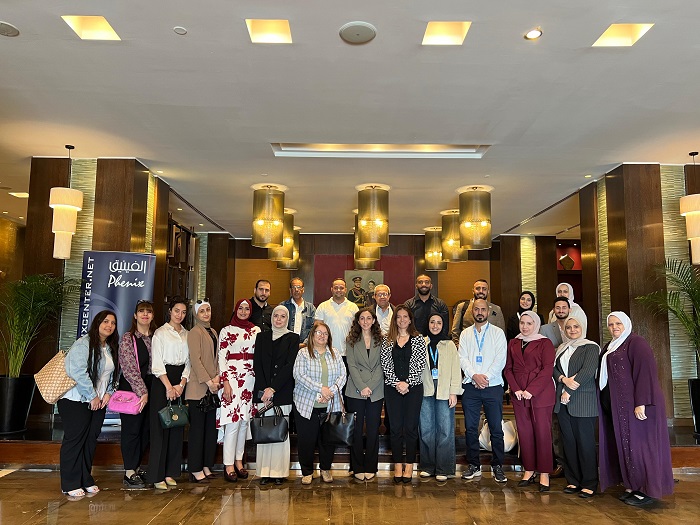
Amman – A three-day specialized workshop for civil society actors concluded in Amman last Thursday, October 23. The workshop was organized by the Office of the United Nations High Commissioner for Human Rights – Regional Office for the Middle East and North Africa, in partnership with the Amman Center for Human Rights Studies (ACHRS) and the Phenix Center.
This workshop was part of the Office’s efforts to strengthen the capacities of Jordanian civil society institutions. It was designed to train participants on the methodology and guidelines for preparing and drafting parallel reports on economic, social, and cultural rights. It also aimed to develop the knowledge and skills of civil society organizations on mechanisms for following up on the implementation of the recommendations of the Committee on Economic, Social, and Cultural Rights, as well as the criteria and indicators for measuring progress on these rights.
This workshop complements the ongoing efforts of civil society organizations in Jordan to strengthen the Kingdom’s commitment to UN human rights mechanisms. Civil society organizations have actively participated in preparing parallel reports over the past years, particularly those related to political participation and civil rights, which the government submitted to relevant international committees.
The workshop provided a unique and important opportunity for practical training on preparing parallel reports on economic, social, and cultural rights. These rights are no less important than, and indeed complement, political and civil rights, as genuine political reform cannot be achieved without parallel progress in other human rights.
It is worth noting that the Jordanian government has not submitted its periodic reports on these rights since 1997, despite their importance in assessing the level of social justice, equality, and equal opportunity. This comes amidst the persistence of several challenges, including the slow pace of legislative reforms in the Personal Status Law, high rates of domestic violence, the weak economic participation of women, and the decline of the social protection system.
Participants also expressed concern about the government’s tendency to introduce multiple legislative amendments, most of which are not based on scientific studies or convincing justifications. This could negatively affect the national economy and the social and living conditions of citizens, both now and in the future.
At the conclusion of the workshop, which was attended by 24 participants from across the Kingdom, attendees emphasized that the workshop represented an important platform for capacity building and exchange of expertise, enabling them to prepare professional and objective reports that support reform efforts and enhance the status of human rights in Jordan.
It is worth noting that the Jordanian Federation of the Independent Trade Unions also participated in this workshop.